Masing-Masing 3 Contoh di Pangkep adalah sebuah jendela untuk menyelami mozaik keindahan yang tersusun dari hamparan sawah, gemuruh ombak, dan denyut tradisi. Sebuah kabupaten yang memeluk daratan subur dan lautan luas, menawarkan cerita tentang kehidupan yang harmonis dengan alam. Setiap contoh yang dihadirkan adalah sebuah narasi, sebuah potret nyata dari kekayaan yang dimiliki bumi Pangkajene dan Kepulauan.
Dari gumpalan awan yang berarak di atas petak-petak padi hingga debur ombak yang menepi di dermaga kayu, Pangkep adalah simfoni yang belum usai. Di sini, potensi pertanian, kelautan, wisata, budaya, dan kuliner bukan sekadar daftar, melainkan jiwa yang hidup dan dapat disaksikan dalam setiap tiga contoh unggulannya. Sebuah destinasi di Sulawesi Selatan yang menyimpan pesona autentik, menunggu untuk dijelajahi dan dirasakan.
Pengenalan Umum tentang Pangkep
Nestled right in the heart of South Sulawesi, Pangkajene and Kepulauan, or Pangkep for short, is this fascinating two-in-one kind of place. Geographically, it’s split right down the middle: the mainland part (Pangkajene) sits comfortably along the western coast of South Sulawesi, bordered by the Makassar Strait, while the island part (Kepulauan) is a stunning archipelago of over a hundred islands scattered in the Flores Sea.
This unique split basically defines its entire character.
The potential here is as dual as its geography. On land, you’ve got incredibly fertile plains that are major contributors to the region’s rice bowl, plus thriving plantations. But turn to the sea, and that’s where the real magic happens. The waters around the islands are teeming with life, making fisheries and seaweed farming massive economic drivers. This blend of agrarian and maritime cultures has shaped a community that’s both rooted in tradition and resiliently adaptive.
The people here, a mix of Makassar, Bugis, and Mandar ethnicities, carry a rich cultural tapestry seen in their language, boat-building skills, and vibrant local traditions.
Potensi Pertanian dan Perkebunan Unggulan
Beyond the postcard-perfect coastlines, Pangkep’s hinterland is a powerhouse of agricultural productivity. The flat, alluvial plains are a gift for farming, allowing for a variety of crops that feed the region and beyond. It’s not just about subsistence; it’s about commercial cultivation that leverages the tropical climate and dedicated local know-how.
Komoditas Pertanian Andalan Pangkep
While many crops are grown, a few stand out as primary commodities. The following table highlights three of these agricultural stars, showing where they thrive and when farmers typically reap their rewards.
| Komoditas | Lokasi Penanaman Utama | Periode Panen | Keterangan |
|---|---|---|---|
| Padi | Kecamatan Minasatene, Pangkajene, Bungoro | 2-3 kali setahun (tergantung pola tanam) | Basis utama lumbung pangan regional, banyak menggunakan varietas unggul. |
| Jagung | Kecamatan Labakkang, Mandalle, Ma’rang | 2 kali setahun (sekitar 100-110 hari per musim) | Sering ditanam sebagai tanaman sela atau pada lahan kering, untuk pakan dan konsumsi. |
| Kelapa | Wilayah kepulauan (Pulau Langkai, Sarappo) & pesisir daratan | Sepanjang tahun (panen utama 4-5 kali setahun) | Diolah menjadi kopra, minyak, dan kelapa butiran; menjadi tulang punggung ekonomi pulau. |
Teknik Budidaya Padi Sawah
For rice, the staple of the region, farmers predominantly use a semi-technical irrigation system. The process starts with preparing seedlings in a dedicated nursery bed. After about 3-4 weeks, these seedlings are transplanted meticulously by hand into the flooded paddy fields that have been plowed and leveled. Farmers often employ an integrated pest management approach, combining careful water regulation, use of resistant varieties, and limited, targeted pesticide application.
Post-harvest, many have begun adopting simple mechanical dryers to reduce dependence on sunlight and maintain grain quality during the unpredictable rainy season.
Panorama Lumbung Pangan di Minasatene, Masing-Masing 3 Contoh di Pangkep
Imagine driving through Minasatene, where the horizon is dominated by a vast, green canvas. The rice fields here stretch out like a giant, living quilt, segmented by neat earthen bunds and dotted with the occasional palm tree. During the growing season, the vibrant green of young rice shoots creates a soothing, monochromatic landscape. As the rice matures, the color deepens to a rich gold, swaying gently with the breeze.
The air carries a distinct, earthy smell of mud, water, and growing plants. You’ll see farmers in wide-brimmed hats moving slowly through the water, their reflections shimmering below, a timeless scene of quiet industry against the backdrop of distant low hills.
Kekayaan Bahari dan Hasil Laut
If the land provides sustenance, the sea defines prosperity for a significant part of Pangkep. The Flores Sea, with its rich currents and coral ecosystems, is a marine treasure chest. For generations, the local
-suku Bajo* and other fishing communities have built their lives and culture around these abundant waters, developing sustainable practices long before the term became a global trend.
Hasil Laut Utama Perairan Pangkep
The marine harvest is diverse, but a few commodities form the economic backbone of the coastal and island communities.
- Ikan Tongkol dan Cakalang: These tuna species are the prize catch for many local fishermen. They are often sold fresh to markets in Makassar or processed into
-pindang* (spiced boiled fish) or
-ikan asin* (salted fish) for longer shelf life. - Rumput Laut (Eucheuma cottonii): Pangkep is one of South Sulawesi’s major seaweed cultivation centers. Farmed in shallow coastal areas around the islands, this seaweed is primarily dried and exported as raw material for carrageenan, a thickening agent used globally in food and cosmetics.
- Rajungan (Blue Swimming Crab): A high-value export commodity. The crabs are caught using traps or small nets, then kept alive in floating holding cages before being shipped to processing plants where the meat is picked and frozen for international markets, notably to the United States.
Budidaya Rumput Laut di Perairan Dangkal
Seaweed farming is a community-centric activity. The process starts with preparing longlines—ropes stretched between wooden stakes driven into the seabed in shallow, calm waters. Seedlings are then tied onto these ropes at intervals using thin plastic ties. The seaweed grows submerged, absorbing sunlight and nutrients. Farmers monitor the farms daily, cleaning off silt and parasites.
After a cycle of about 45 days, the seaweed is harvested by hand, brought ashore, and spread out on vast drying platforms made of nets or bamboo. The transformation from wet, rubbery fronds to crisp, white-ish dried chips is a common sight along the village shores.
Fajar belum sepenuhnya mengusir gelap ketika Pelabuhan Perikanan Pantai (PPP) Bira di Pangkajene mulai berdenyut. Bunyi mesin diesel kapal-kapal kecil bersahutan, memecah kesunyian. Bau tajam ikan segar, solar, dan garam laut menyergap hidung. Para nelayan, dengan kulit terbakar matahari dan tangan yang kasar, sibuk menurunkan peti-peti berisi tangkapan malam itu—tongkol yang masih menggelepar, cumi-cumi yang berkilau, dan bermacam ikan karang. Di dermaga, para bakul sudah menunggu, tawar-menawar pun berlangsung cepat dalam bahasa lokal yang terpotong-potong. Ini adalah pasar pagi yang sesungguhnya, sebuah ritual ekonomi yang dijalani dengan ketelitian dan kecepatan, di mana hasil laut langsung berpindah tangan, dari kapal ke pasar, sebelum matahari terik menyengat.
Destinasi Wisata Alam yang Menarik
Pangkep’s natural allure isn’t a secret waiting to be discovered; it’s an open invitation for those seeking both adventure and serenity. From powdery white sandbars emerging from turquoise seas to ancient limestone cliffs, the region offers a stunning variety of landscapes that are surprisingly accessible.
Perbandingan Tiga Destinasi Wisata Alam
| Nama Destinasi | Daya Tarik Utama | Aktivitas yang Bisa Dilakukan | Aksesibilitas |
|---|---|---|---|
| Pulau Langkai | Pasir putih membentang (sandbar) yang muncul saat air surut, air laut jernih kebiruan. | Berenang, snorkeling di terumbu karang tepian, fotografi, piknik. | Ditempuh dengan perahu sewaan dari Dermaga Mattiro Walie (sekitar 30-45 menit). |
| Permandian Alam Bantimurung (Nepenthes) | Air terjun bertingkat dengan kolam alami, dikelilingi hutan dan tebing batu kapur. | Mandi dan berendam di kolam alam, trekking ringan, menikmati kehijauan. | Dapat dicapai dengan kendaraan darat, terletak di Desa Bulo-Bulo, Kec. Balocci. |
| Taman Purbakala Sumpang Bita | Situs arkeologi gua purba dengan lukisan dinding (cap tangan) berusia ribuan tahun. | Wisata sejarah dan edukasi, melihat lukisan gua, menikmati pemandangan dari bukit. | Akses jalan menuju lokasi cukup baik, berupa anak tangga menuju mulut gua. |
Panorama Pulau Langkai saat Surut
The magic of Langkai Island is most palpable during low tide. As the receding water pulls back, it reveals a breathtaking sandbar, a long, slender tongue of pristine white sand that seems to walk on the sea. The water around it shifts from deep blue to impossible shades of turquoise and aquamarine, so clear you can see the sandy bottom and patches of seagrass.
Standing on the sandbar, you’re surrounded by nothing but the open sky and this vast, shallow pool. The only sounds are the gentle lap of waves and the distant cry of seabirds. To one side, the main island looms with its lush greenery, while on the other, the sea stretches to the horizon. It feels like being on the edge of the world, a temporary and beautiful land that the ocean will reclaim in just a few hours.
Warisan Budaya dan Tradisi Lokal
The cultural fabric of Pangkep is woven from threads of its maritime and agrarian heritage, resulting in traditions that are both expressive and deeply symbolic. These aren’t performances staged for tourists; they are living practices embedded in the community’s social and spiritual calendar, passed down through generations as a way of preserving identity.
Tradisi dan Kesenian Khas Pangkep
Three prominent examples include Ma’gandang, a traditional dance often performed at weddings and welcoming ceremonies characterized by its graceful, flowing movements and elaborate costumes; Mappadendang, a communal rice-pounding ceremony accompanied by rhythmic chanting and music, celebrating the harvest; and Mappalili or Appalili, a ritual asking for blessings and protection for the rice fields before the planting season begins, led by traditional elders.
Rangkaian dan Makna Tradisi Mappalili
Mappalili is a profound agricultural ritual that underscores the community’s reverence for nature. It’s usually held at the start of the rainy season. The ceremony begins with the selection of a sacred spot in the rice field, often marked by a special bamboo pole. A traditional leader, the
-pinati*, leads prayers and offerings which typically include a special cone of rice (*tumpeng*), eggs, and betel leaves.
The core of the ritual involves leading a pair of decorated buffalo to plow a symbolic first furrow in the field. This act is not just practical but deeply symbolic, representing a plea to the ancestors and the natural spirits for fertile soil, sufficient water, and protection from pests. It’s a communal vow to start the cycle of cultivation in harmony with the environment, reinforcing social bonds and respect for the land that feeds them.
Elemen Khas dalam Pelaksanaan Mappalili
- Peralatan: Bajak tradisional (plow) yang ditarik kerbau, tongkat bambu hiasan (Bombo), wadah khusus untuk sesajen (dulang).
- Pakaian: Para pinati dan tetua adat biasanya mengenakan pakaian adat Bugis-Makassar lengkap, seperti jas tutup (baju bodo) dan sarung sutra. Kerbau yang digunakan juga dihiasi dengan kain dan ornamen khusus di kepala.
- Elemen Ritual: Tumpeng nasi kuning, telur ayam kampung, daun sirih dan pinang, air bunga. Semua elemen ini memiliki makna simbolis seperti kesuburan, keselamatan, dan kesucian.
Kuliner Khas dan Makanan Tradisional: Masing-Masing 3 Contoh Di Pangkep
In Pangkep, the bounty of the land and sea doesn’t just go to market; it goes straight into the kitchen, inspiring a cuisine that is robust, flavorful, and unapologetically local. The dishes here tell a story of resourcefulness, where fresh ingredients are transformed with time-tested techniques into meals that are the heart of family gatherings and daily life.
Makanan Khas Berbahan Baku Lokal
Source: co.id
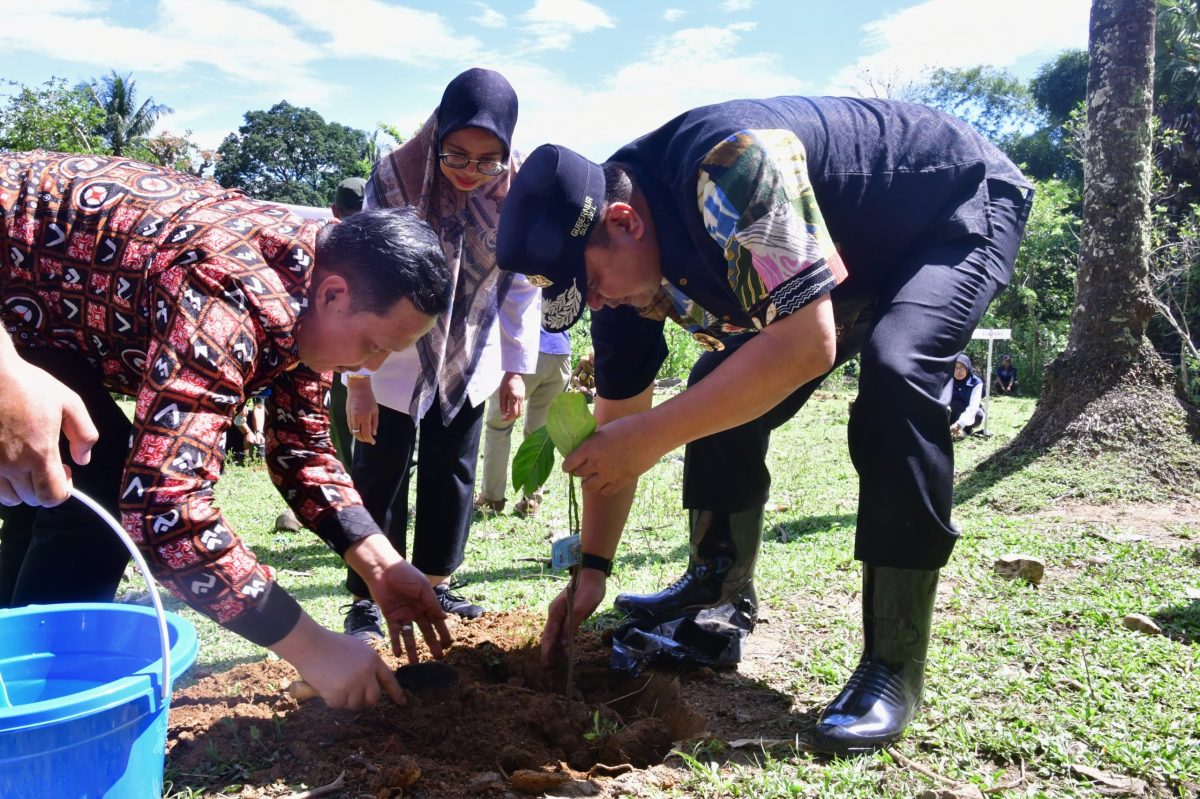
You haven’t really experienced Pangkep until you’ve tried its signature dishes. Pallu Kaloa is a rich, spicy fish stew usually made with tuna or skipjack, cooked in a thick broth of spices and tamarind. Kapurung, a specialty from the mainland, is a savory sago porridge served with a vegetable and fish or chicken broth. And from the islands, Sanggara’ Bulo (or sometimes called
-Sanggara Loka*), a unique dish of small crabs cooked in their shells with a thick, spiced coconut gravy.
Resep dan Pengolahan Pallu Kaloa
Pallu Kaloa starts with a solid base of ground spices: red chilies, shallots, garlic, turmeric, ginger, and candlenuts, all toasted and pounded into a fragrant paste. Fresh tuna or cakalang is cut into chunks. In a pot, the spice paste is sautéed until aromatic, then pieces of fish are added and gently stirred to coat. Water and a generous amount of tamarind juice are poured in, just enough to almost cover the fish.
The stew is then simmered on low heat until the fish is cooked through and the broth has thickened slightly from the fish and spices, absorbing all the sour and savory flavors. It’s never rushed; the slow simmer is key to letting the flavors marry perfectly.
Pallu Kaloa is a symphony of bold flavors. The first hit is the tangy, mouthwatering sourness from the tamarind, immediately followed by the deep, warm heat of the chilies and turmeric. The fish, having been cooked gently, remains tender and flaky, perfectly absorbing the complex, rust-colored broth. The texture is all about contrast: the softness of the fish against the slightly thickened, grainy consistency of the spice-laden soup. It’s traditionally served piping hot in a deep bowl, often with a side of steamed white rice to balance the intensity. Eating it is a comforting, robust experience that warms you from the inside out, a true taste of the Makassar Strait’s generosity.
Kesimpulan Akhir
Demikianlah, Masing-Masing 3 Contoh di Pangkep bukanlah akhir dari penelusuran, melainkan sebuah pintu awal. Setiap contoh adalah sebuah benang yang jika ditarik, akan membuka labirin pengalaman yang lebih dalam. Dari aroma tanah basah usai hujan di kebun, garam yang mengkristal di kulit nelayan, tawa riang di festival, hingga rempah yang melekat di sendok kayu. Pangkep meninggalkan kesan yang melekat, mengajak setiap pengunjung untuk menjadi bagian dari cerita panjangnya, dan membawa pulang bukan hanya gambar, tetapi resonansi dari sebuah tempat yang hidup dengan segala keasliannya.
FAQ Terkini
Apa bulan terbaik untuk mengunjungi Pangkep?
Bulan April hingga Oktober umumnya merupakan musim kemarau dengan cuaca cerah, ideal untuk menjelajahi wisata bahari dan melihat aktivitas pertanian.
Apakah ada transportasi umum yang mudah untuk menjangkau objek wisata alam di kepulauan?
Ya, dari Pelabuhan Pangkajene tersedia perahu sewaan (jukung) atau kapal penumpang terjadwal menuju pulau-pulau seperti Kapoposang dan Langkai, namun disarankan untuk menanyakan jadwal terlebih dahulu.
Apakah kuliner khas Pangkep banyak menggunakan seafood?
Ya, mayoritas kuliner khasnya berbahan baku laut segar seperti ikan, kepiting, dan rajungan, namun juga ada hidangan dari hasil darat seperti olahan daging sapi dan jagung.
Bagaimana cara yang sopan jika ingin menyaksikan langsung tradisi atau upacara adat masyarakat Pangkep?
Disarankan untuk berkoordinasi dengan pemandu wisata lokal atau pihak kantor desa setempat, menghormati setiap prosesi, dan meminta izin sebelum mengambil foto atau video.
Apakah komoditas pertanian seperti beras dan jagung dari Pangkep bisa dibeli sebagai oleh-oleh?
Bisa, beberapa sentra produksi atau pasar tradisional seperti Pasar Sentral Pangkajene menjual beras dan jagung lokal dengan kualitas unggulan.